





DREAM IT · BELIEVE IT · ACHIEVE IT
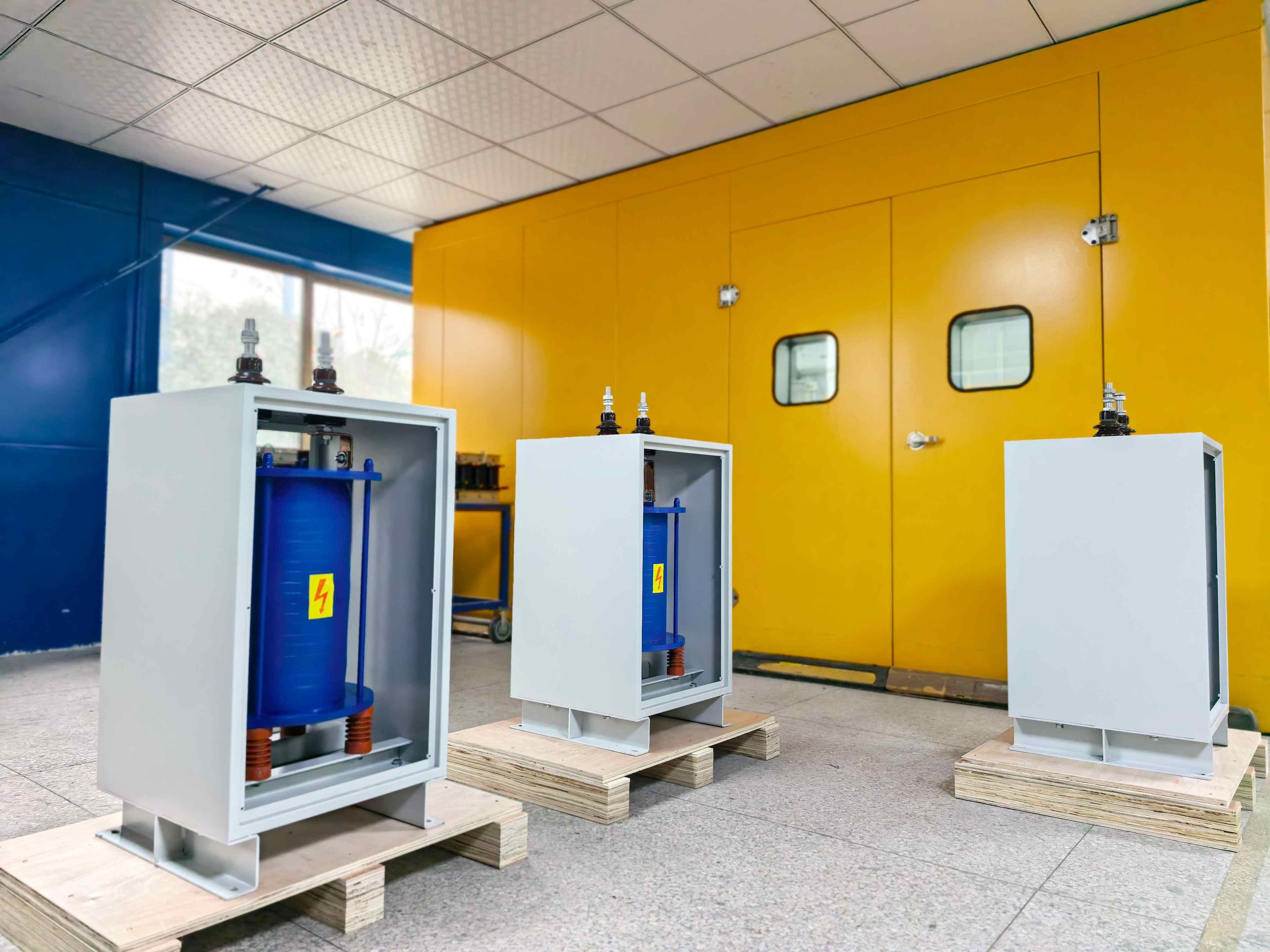
Neutral Grounding Reactors
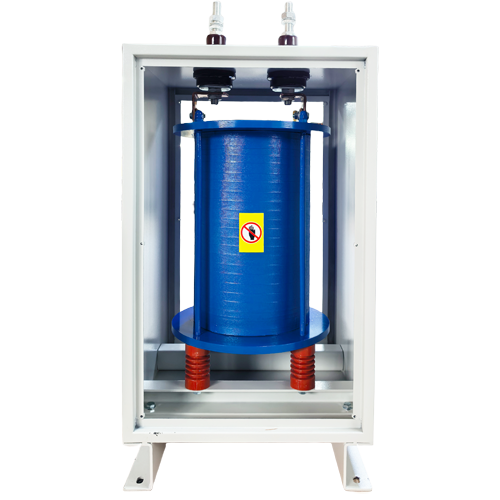
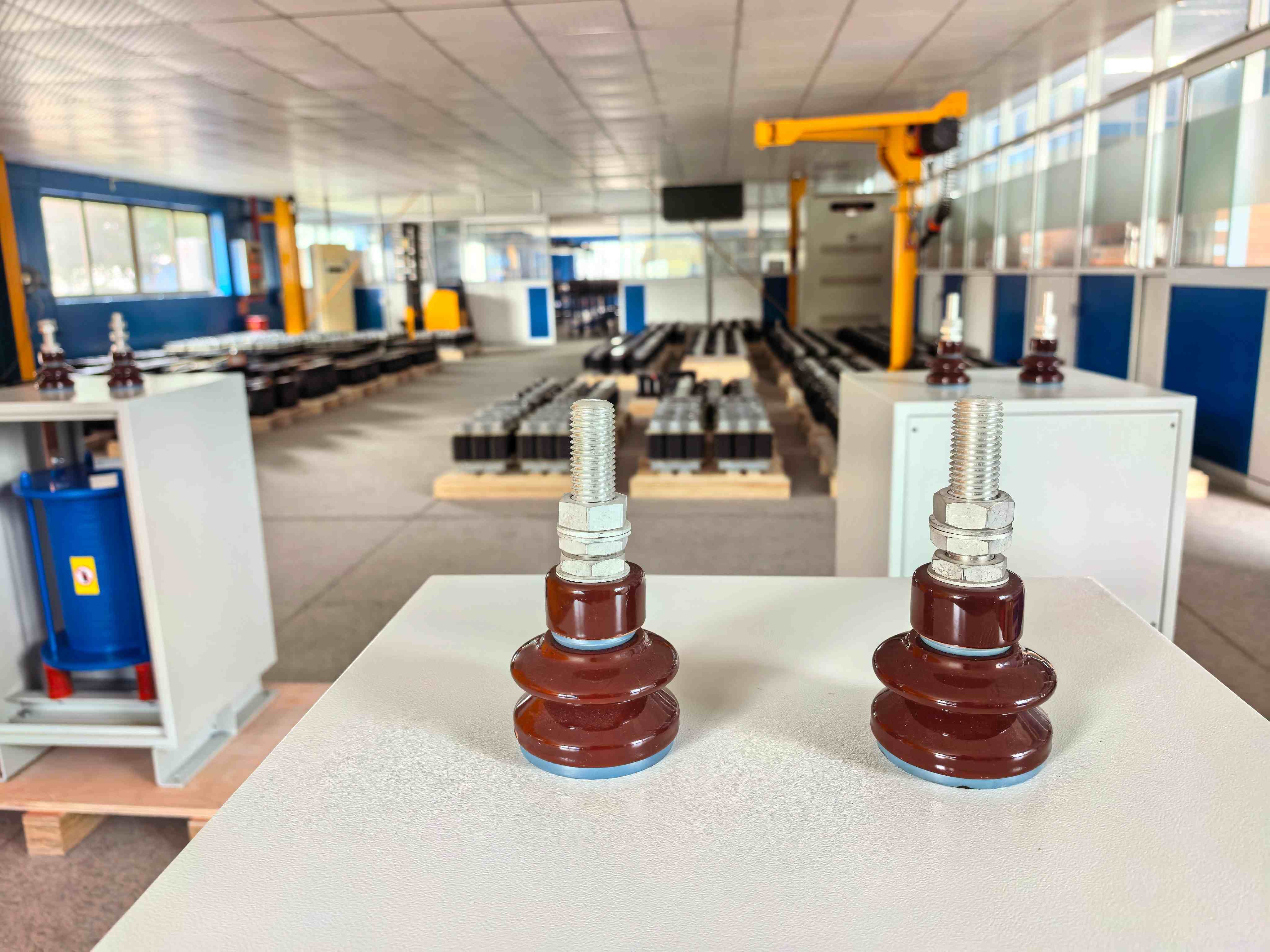
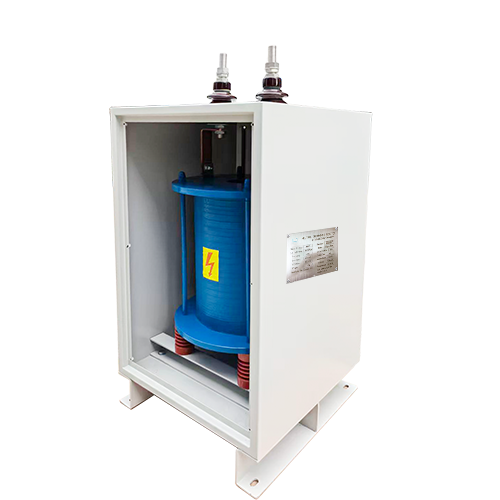
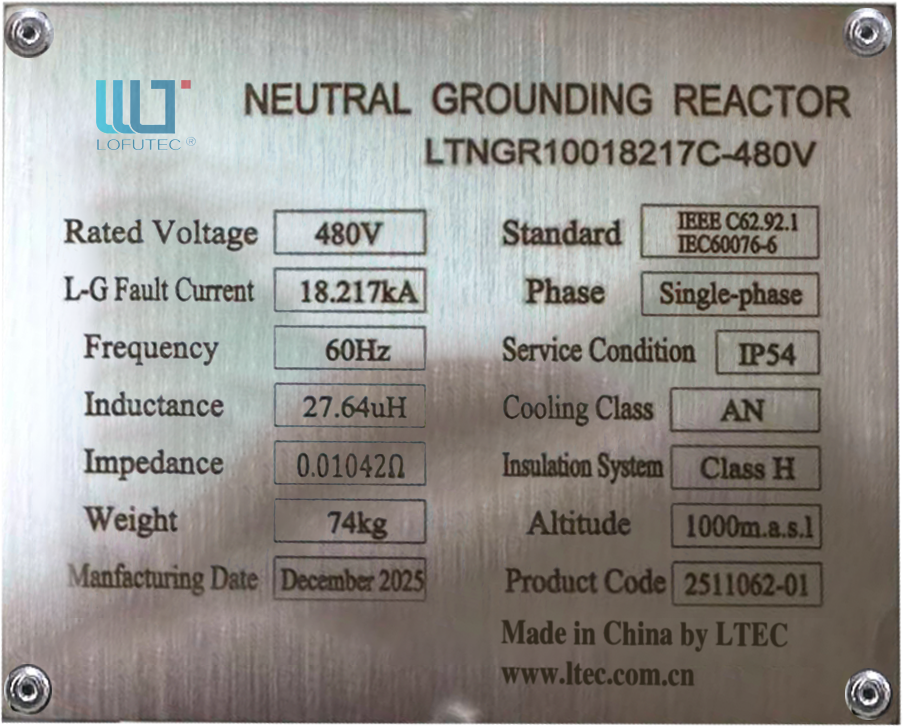
The Neutral Grounding Reactor (NGR) is a single-phase reactor used in three-phase power systems. It is typically connected between the neutral point of a transformer or generator and ground, with the primary function of controlling single-line-to-ground faults to a predetermined level. This is achieved through its inductive impedance, which restricts the flow of fault current.
The key purposes of the NGR include:
l Limiting line-to-ground fault current to a level that prevents damage to power system equipment.
l Mitigating transient overvoltages that may occur during the interruption of instantaneous fault currents.
l Allowing sufficient fault current to flow to ensure reliable operation of protective relays, thereby enabling prompt fault detection and clearance.
Transient Overvoltage Suppression:
LTEC neutral grounding reactors are specifically designed to suppress voltage spikes generated during transient ground fault interruptions, helping to protect your system insulation.
Maximum Thermal Endurance:
Utilizing Class H (180°C) or 200°C insulation systems and vacuum pressure impregnation (VPI) process, our neutral grounding reactors offer superior dielectric strength and moisture resistance.
Enhanced Protection Coordination:
By providing sufficient fault current, LTEC neutral grounding reactors protect your relays and enable rapid diagnosis and clearing of current faults, improving the overall reliability and safety of the power grid.
Maintenance-Free Life:
The air-core dry-type structure effectively eliminates the risk of oil leakage and magnetic saturation, reducing maintenance frequency.
Under normal operating conditions, the voltage across the neutral grounding reactor remains low, resulting in minimal current flow. During a fault, however, the current increases significantly. The reactor must therefore be designed to withstand this elevated current for a specified duration, typically expressed in seconds, to ensure system stability and protection coordination.
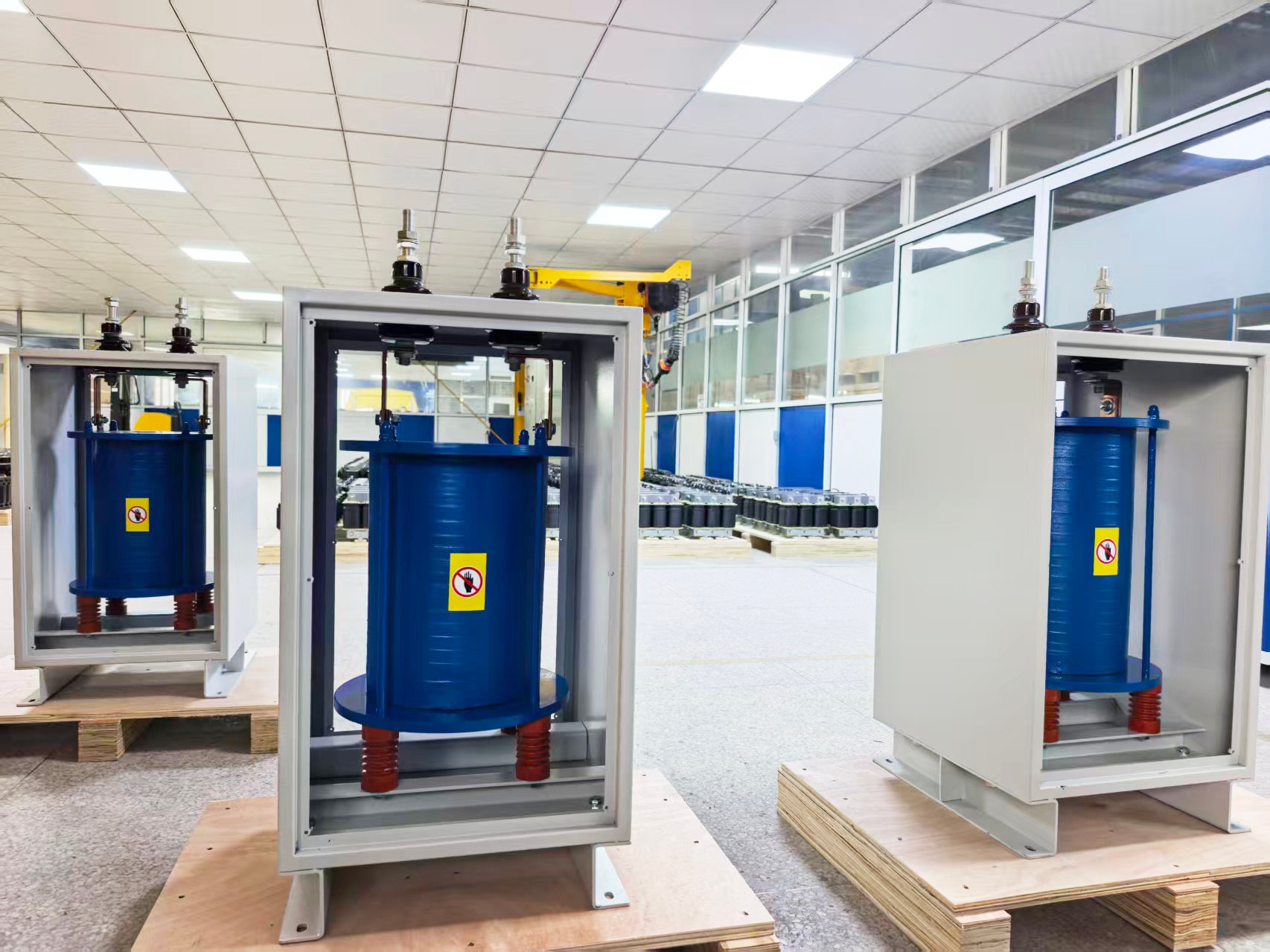

Standard Features | Optional Feature |
Single Phase / Three Phase | Custom Current Ratings |
Standard Medium Voltage Units | Custom Fault Duration Ratings |
200°C Insulation System | Integrated Ground Fault Relays |
Vacuum Pressure Impregnation | Epoxy End Capped Coils |
Copper Conductors | 220°C Insulation System |
NEMA 3R Enclosure | Disconnect Switches |
Temperature Control Features | Current Transformer |
NEMA 1, 4X or 12 Enclosures |



DREAM IT · BELIEVE IT · ACHIEVE IT
© 2021 Jiangsu LTEC Electric Co., Ltd. All rights reserved.苏ICP备11085855号-2  苏公网安备32058302002386号


 Home
Home Products
 Phone
Phone Message


